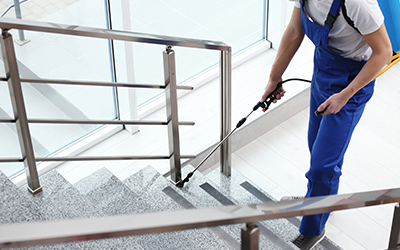
Pest issues in commercial buildings and warehouses occur in a completely different manner than those experienced in residential homes. The size of the area, the constant flow of goods, flexible operating hours, and complex building structures make it the perfect breeding ground for pests. In most cases, pest infestations quietly develop until they start to affect operations, compliance, and safety.
Commercial Pest Control needs to take into consideration these distinct factors. Residential pest control solutions will not be effective in addressing the size, entry points, and environmental conditions of commercial properties.
Size and Complexity of Structure
Commercial buildings and warehouses are designed for functionality, not pest control. Their size alone creates monitoring challenges.
Common structural features that increase pest risk:

· High ceilings and exposed rafters
· Long interior walls with minimal visibility
· Large floor areas with limited inspection access
· Multiple storage zones and loading areas
These building characteristics enable pests to thrive away from human activity. Pest infestations can quietly develop, even in well-maintained buildings that appear clean.
This is why businesses usually look for Pest control near me solutions only after operational disruptions.
Constant Movement of Goods and Materials
Warehouses and commercial buildings receive continuous shipments. Each delivery presents a potential pest entry opportunity.
High-risk materials include:
· Cardboard packaging
· Wooden pallets
· Bulk food products
· Stored paper goods
Rodents and insects are common invaders that enter the building along with shipments. Once inside, they quickly colonize storage areas, wall voids, or ceiling areas.
Regular facility inspections by a Pest exterminator near me can detect pest infestations early on, before they have a chance to migrate throughout the facility.
Loading Docks and Points of Entry
Loading docks remain one of the most vulnerable regions in commercial buildings.
Contributing factors:
· Doors left open for extended periods
· Gaps around dock seals
· Cracks in concrete flooring
· Poor exterior lighting
Rats, insects, and birds utilize loading docks as entry points. From there, they spread into storage areas and production spaces.
Targeted dock-area monitoring is a core component of effective Commercial Pest Control programs.
Hidden Voids and Utility Infrastructure
Commercial buildings contain extensive utility systems that provide ideal pest pathways.
Common pest routes include:
· Electrical conduits
· Plumbing chases
· HVAC ducting
· Cable trays
These regions allow pests to move from one area of a commercial building undetected. Termites can gain access to wooden supports hidden behind walls or equipment bases.
Early Termite control near me inspections are essential in facilities with mixed construction materials.
See also: Fast Business Assistance: 8779991956
Moisture and Drainage Problems
Moisture is a significant contributor to pest infestations in warehouses and commercial buildings.
High-risk sources of moisture include:
· Floor drains
· Cooling systems
· Roof leaks
· Condensation around refrigeration units
Termites and insects are extremely drawn to moist regions. Rats are drawn to steady water sources, especially in larger facilities where water leaks can go unnoticed.
Facilities that have a reactive maintenance program tend to overlook these factors until pest infestations become widespread.
Termite Risks to Commercial Facilities
Termites do not limit their damage to residential buildings. Commercial buildings with wood framing, office partitions, or structural wood are also at risk.
Common termite targets:
· Wooden roof trusses
· Office walls within warehouses
· Shipping platforms
· Storage mezzanines
Because commercial spaces are rarely inspected internally, termite activity may continue for years. By the time visible damage appears, repairs are extensive.
Preventive programs that include Best termite treatment reduce long-term structural risk and repair costs.
Limited Inspection Access
Unlike homes, commercial buildings often restrict access to certain areas during operating hours.
Challenges include:
· Active production zones
· Secured storage rooms
· High shelving systems
· Restricted mechanical rooms
Limited access causes delays in detection and treatment. Pests exploit these untouched areas to breed and lay eggs.
This is why regular inspections are essential to Commercial Pest Control professionals’ planning.
Compliance and Health Standards
Many commercial facilities operate under strict health and safety regulations.
Industries affected include:
· Food storage and processing
· Logistics and distribution
· Manufacturing
· Retail warehousing
Pest presence can lead to:
· Failed inspections
· Fines and penalties
· Product contamination
· Operational shutdowns
Waiting until pests are visible is rarely acceptable in regulated environments. Preventive programs tied to Pest control near me providers help maintain compliance.
Rodents and Long-Term Infestations
Rodents pose ongoing challenges in large facilities.
Why rodent problems persist:
· Extensive hiding areas
· Minimal human disturbance
· Abundant nesting materials
· Easy access to food waste
Once established, rodents become difficult to remove without structured intervention. Sporadic trapping rarely solves the issue.
Professional Pest exterminator near me services focus on exclusion, monitoring, and long-term population control.
Local Knowledge Matters
Pest infestations vary according to the region, climate, and surrounding infrastructure. Industrial areas, coastal areas, and city centers have different pest patterns.
Local Commercial Pest Control experts understand that:
· Area-specific termite activity
· Seasonal rodent movement
· Common structural vulnerabilities
Searching for Termite control near me connects businesses with specialists familiar with local conditions rather than generic treatment plans.
Prevention Over Emergency Response
Emergency pest control is typically in response to an infestation or government regulations. At this stage, damage is already inevitable.
Preventive programs offer:
· Predictable schedules
· Reduced infestation severity
· Lower long-term costs
· Minimal operational impact
Facilities using Best termite treatment strategies combined with routine monitoring experience fewer emergencies and longer structural lifespan.
Closing Perspective
Commercial buildings and warehouses have pest infestations that are much more diverse compared to residential areas. The size, complexity, activity, and hidden structures make them the perfect breeding ground for pests if left unchecked.
Early detection and inspection are required in Commercial Pest Control. Termites, rodents, and pests do not wait until the infestation is noticeable before they cause damage. At this point, the damage is already extensive.
Treebark Termite and Pest Control provides inspection-based pest management services specifically designed for commercial businesses to help them protect their assets, remain compliant, and avoid costly downtime.