Spring usually feels like a fresh start for your home. You swap the heavy coats for light jackets and start thinking about the garden. But for many homeowners, this season also brings a weird surprise in the form of damp spots or peeling paint under the eaves. If you are noticing these issues, a professional roof repair park city inspection service can help identify if your attic is breathing correctly. Understanding why these moisture problems peak during humid spring weeks is the first step toward keeping your roof healthy for years to come.
The Science of Attic Airflow
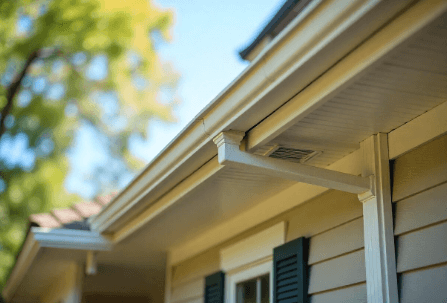
Your soffits are not just decorative trim pieces that finish off the look of your roofline. They serve as the intake valves for your entire attic ventilation system. In a perfect world, cool air enters through the soffit vents at the bottom and pushes hot air out through the ridge vents at the top. This constant flow keeps the wood under your roof dry and stable.
When spring arrives, the air outside becomes thick with humidity. Instead of pulling in dry air to clear out any lingering winter dampness, your house starts inhaling moisture. If your vents are clogged with old bird nests or insulation that shifted during a winter storm, that humid air just sits there. It creates a stagnant environment where wood begins to rot, and mold starts to find a foothold.
The Temperature Tug of War
Spring weather is famously unpredictable. You might have a chilly morning followed by a warm, sunny afternoon. This rapid swing in temperature creates a major headache for your attic. During the day, the sun beats down on your shingles and heats up the air inside your roof space. If that hot air cannot escape, it meets the cool evening air right at the soffit line.


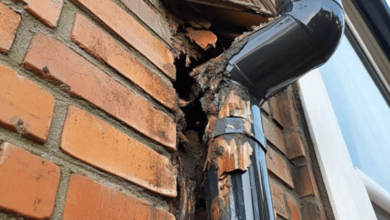
When warm, moist air hits a cooler surface, you get condensation. It is the same reason your soda can sweats on a porch in July. In your attic, this “sweat” drips onto your soffit boards. Since these areas are often shaded and tucked away, they do not dry out quickly. Over several weeks of humid spring weather, that repeated dampness causes the wood to swell and the paint to bubble.
See also: Homeowners: Key Questions to Ask Before Hiring Los Angeles Plumbers
Clogged Vents and Hidden Obstacles
You might look at your soffits from the driveway and think they look perfectly fine. However, the problem is often what you cannot see from the ground. Over time, dust and pollen can coat the small screens in your vents. During the high pollen counts of spring, these tiny holes can get completely plugged up.
Another common culprit is blown-in insulation. If a contractor or a previous owner added insulation without using baffles, they might have accidentally covered the intake holes. This chokes off the airflow entirely. Without a clear path for air to move, the humidity from a rainy spring week has nowhere to go but into your wooden rafters and soffit panels.
Signs You Should Look For
It pays to take a walk around your house once a week during the spring months. Look for dark stains on the underside of your roof overhangs. These usually look like water spots but appear even when it has not rained recently. You should also keep an eye out for “alligatoring” paint. This is when the paint cracks and lifts in a pattern that looks like reptile skin.
If you see any fuzzy white or black spots, you are likely looking at mold or mildew. This is a clear signal that the moisture levels in your soffit area are way too high. Taking care of it now is much cheaper than waiting until the rot spreads to your main roof deck or your interior ceiling.
Final Word
Ignoring these small signs during the humid months can lead to massive repair bills down the road. If you suspect your attic is not venting the way it should, booking a roof repair park city inspection service is the smartest move you can make this season. Catching a ventilation clog or a moisture leak early keeps your home sturdy and your air clean. Do not let a few humid weeks turn into a major structural headache when a simple checkup can solve the problem.