Water marks along the bottom of exterior walls are a common concern for homeowners, often signaling underlying moisture issues that can lead to more serious structural problems if left unaddressed. These unsightly stains not only detract from the appearance of a property but can also indicate persistent water intrusion, which may compromise the integrity of building materials over time. Understanding the root causes of these water marks is essential for effective prevention and maintenance. By identifying the sources and mechanisms behind moisture accumulation, property owners can take proactive steps to protect their homes and avoid costly repairs in the future.
Common sources of water marks
How Poor Drainage Leads to Water Marks
One of the most frequent causes of water marks along the bottom of exterior walls is inadequate drainage around the foundation. When rainwater or melting snow is not properly directed away from a building, it tends to accumulate near the base of the walls. Over time, this persistent moisture can seep into porous materials such as brick, stucco, or concrete, leaving visible stains and marks. The problem is often exacerbated in areas with heavy rainfall or poorly graded landscaping, where water naturally flows toward the structure instead of away from it. Clogged or malfunctioning gutters and downspouts can also contribute to this issue by allowing water to overflow and pool near the foundation. As the moisture wicks up through the wall materials, it can cause discoloration, efflorescence, and even mold growth, all of which manifest as water marks along the lower portions of exterior walls. Addressing drainage problems is crucial for preventing these marks and maintaining the long-term health of a building’s exterior.
The Role of Gutters and Downspouts
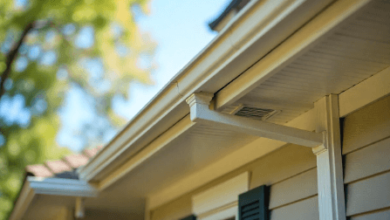
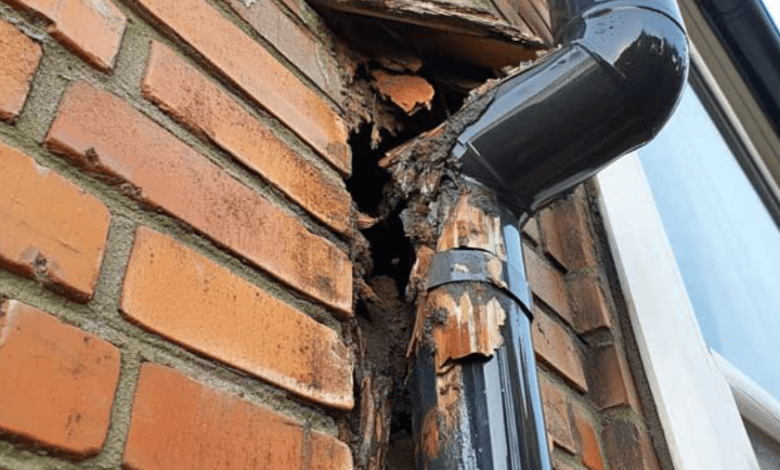
Gutters and downspouts play a vital role in channeling water away from a building’s foundation, but when they are missing, damaged, or improperly installed, they can become a significant source of water marks. In regions like Memphis, where seasonal storms can bring heavy rainfall, the importance of a proper gutter install memphis cannot be overstated. Without effective gutters, rainwater cascades directly off the roof and lands at the base of the walls, saturating the soil and increasing the risk of water infiltration. Over time, this repeated exposure leads to the formation of water marks as moisture seeps into the wall materials. Even when gutters are present, blockages from leaves, debris, or ice dams can cause water to overflow and spill down the exterior walls, creating the same staining and damage. Regular inspection and maintenance of gutters and downspouts are essential to ensure they function correctly and protect the building from water-related issues.
Capillary Action and Rising Damp
Another significant factor contributing to water marks along the bottom of exterior walls is the phenomenon known as rising damp. This occurs when groundwater is drawn upward through the porous materials of a building’s foundation and walls by capillary action. In older homes, especially those without modern damp-proof courses, this process can be particularly pronounced. As water rises through the masonry, it carries with it dissolved salts and minerals, which are then deposited on the surface as the moisture evaporates. These deposits often appear as white, powdery stains known as efflorescence, but they can also cause darker water marks and discoloration. Rising damp is more likely to occur in areas with high water tables or poor site drainage, and it can be exacerbated by landscaping that directs water toward the foundation. Addressing rising damp typically involves improving site drainage, installing or repairing damp-proof barriers, and sometimes using chemical treatments to block moisture movement through the walls.

The Impact of Splashback and Surface Water
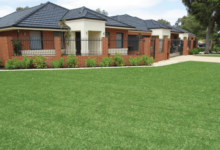
Splashback from rainwater hitting hard surfaces near the base of exterior walls is another common cause of water marks. When rain falls onto driveways, patios, or compacted soil adjacent to a building, it can bounce back onto the lower portions of the walls, depositing moisture and dirt. Over time, this repeated wetting and drying cycle leads to the formation of visible stains and marks. The problem is often more pronounced in areas where the ground slopes toward the building or where there is little vegetation to absorb and slow down the flow of water. Surface water from irrigation systems, hoses, or poorly placed sprinklers can also contribute to splashback, especially if they are directed too close to the walls. Preventing splashback involves adjusting landscaping, installing splash guards, and ensuring that hard surfaces are sloped away from the building to minimize water contact with the walls.
Quick Look: Seasonal Effects on Water Marks
Seasonal changes can influence the appearance and severity of water marks along exterior walls. During periods of heavy rainfall or snowmelt, increased moisture levels can exacerbate existing problems, while dry seasons may temporarily reduce visible staining. However, the underlying issues often persist and can worsen over time if not addressed.
See also: Swimming Pools in Small Spaces: Creative Solutions for Urban Homes
Construction Materials and Wall Design
The type of materials used in the construction of exterior walls can significantly affect their susceptibility to water marks. Porous materials such as brick, stone, and stucco are more likely to absorb and retain moisture, making them prone to staining and discoloration. In contrast, walls constructed from less permeable materials like vinyl siding or treated wood are generally more resistant to water intrusion, although they are not immune to damage if water is allowed to pool at their base. The design of the wall itself, including the presence of weep holes, flashing, and damp-proof courses, also plays a crucial role in managing moisture. Buildings that lack these protective features are more vulnerable to water marks, especially in regions with frequent precipitation. Regular maintenance, such as repointing mortar joints and sealing cracks, can help reduce the risk of water infiltration and the formation of water marks. Additionally, ensuring that landscaping and hardscaping elements are properly graded and maintained can further protect exterior walls from moisture-related damage.
Conclusion
Water marks along the bottom of exterior walls are more than just a cosmetic issue; they often signal underlying moisture problems that can compromise the structural integrity of a building if left unchecked. The primary causes include poor drainage, malfunctioning gutters and downspouts, rising damp, splashback from hard surfaces, and the use of porous construction materials. Each of these factors contributes to the accumulation and movement of water near the base of exterior walls, leading to visible staining and potential long-term damage. Addressing these issues requires a combination of proper site grading, regular maintenance of gutters and downspouts, installation of damp-proof barriers, and thoughtful landscaping. By understanding the mechanisms behind water marks and taking proactive steps to manage moisture, property owners can protect their investment and maintain the appearance and durability of their homes for years to come.