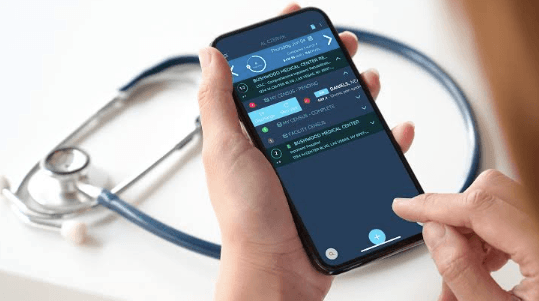
Healthcare organizations rely on a complex network of financial processes to maintain profitability and ensure smooth operations. While many aspects of revenue cycle management receive significant attention, one critical function often operates behind the scenes: charge entry. Despite being a routine process, charge entry plays a major role in determining whether healthcare providers receive accurate and timely reimbursement for the services they deliver.
A single mistake during charge entry can lead to claim denials, delayed payments, compliance risks, and revenue loss. As healthcare billing becomes increasingly complex, providers must understand the importance of accurate charge capture and entry to maintain financial stability.
Healthcare professionals seeking a deeper understanding of charge entry can benefit from learning how this process directly impacts revenue cycle performance and overall organizational success.
What Is Charge Entry?
Charge entry is the process of recording and entering billable services, procedures, medications, and treatments into a healthcare provider’s billing system. Once patient services have been completed and documented, the associated charges must be accurately entered before claims can be generated and submitted to insurance companies.


Charge entry serves as the bridge between clinical care and reimbursement. If charges are not captured correctly, providers may lose revenue or face delays in receiving payments.
Why Charge Entry Matters
Many healthcare organizations process hundreds or even thousands of patient encounters each week. Every encounter generates billable services that must be accurately documented and submitted.
Charge entry is important because it directly affects:
- Revenue generation
- Claim accuracy
- Cash flow
- Regulatory compliance
- Patient billing accuracy
- Insurance reimbursement timelines
Even small errors can create significant financial consequences over time.
See also: Running A Cleaning Business From Your Phone Without Cutting Corners
The Role of Charge Entry in Revenue Cycle Management
Revenue cycle management (RCM) encompasses every financial process involved in patient care, from registration to final payment collection.
Charge entry occurs after clinical services have been provided but before claims are submitted to insurance carriers.
Where Charge Entry Fits in the Revenue Cycle
- Patient registration
- Insurance verification
- Clinical service delivery
- Documentation completion
- Charge entry
- Medical coding
- Claim generation
- Claim submission
- Payment processing
- Collections and reporting
Because charge entry occurs early in the billing process, mistakes can affect every subsequent stage.
Key Components of Charge Entry
Accurate charge entry requires attention to several important elements.
Patient Information
Patient demographics must be entered correctly, including:
- Name
- Date of birth
- Insurance details
- Account information
Errors in patient data can result in claim rejections before processing even begins.
Service Documentation
Healthcare providers must properly document all services performed during patient visits.
Documentation should include:
- Diagnoses
- Procedures
- Treatments
- Medications
- Supplies used
Incomplete documentation often leads to missing charges or coding errors.
Procedure Codes
Medical procedures are translated into standardized billing codes.
Common coding systems include:
- CPT codes
- HCPCS codes
- ICD diagnosis codes
Charge entry staff must ensure that all codes accurately reflect documented services.
Fee Schedules
Charges must align with the provider’s approved fee schedule.
Incorrect fee assignments may lead to underbilling or compliance concerns.
Common Charge Entry Challenges
Healthcare organizations frequently encounter obstacles that affect charge entry accuracy.
Missing Charges
Services may be performed but never entered into the billing system.
This can occur due to:
- Incomplete documentation
- Communication breakdowns
- Workflow inefficiencies
Missing charges result in lost revenue that may never be recovered.
Data Entry Errors
Manual data entry increases the likelihood of mistakes such as:
- Incorrect procedure codes
- Wrong patient information
- Duplicate entries
- Invalid modifiers
Even minor errors can trigger claim denials.
Delayed Charge Entry
Delays in entering charges can slow claim submission and negatively impact cash flow.
Many organizations establish charge entry deadlines to ensure timely processing.
Compliance Risks
Improper charge capture may expose healthcare providers to regulatory scrutiny and audit concerns.
Accurate documentation and coding are essential for maintaining compliance.
Best Practices for Accurate Charge Entry
Successful healthcare organizations implement standardized procedures to improve charge entry accuracy.
Verify Documentation Before Entry
Staff should confirm that all required clinical documentation has been completed before charges are entered.
This helps prevent missing information and billing inconsistencies.
Establish Quality Control Processes
Routine audits can identify recurring errors and improve overall accuracy.
Quality assurance reviews often focus on:
- Coding accuracy
- Documentation completeness
- Fee schedule compliance
- Charge reconciliation
Train Staff Regularly
Healthcare billing regulations and coding requirements change frequently.
Ongoing education helps charge entry teams stay current with industry standards.
Use Standardized Workflows
Consistent workflows reduce confusion and improve efficiency.
Organizations should establish clear procedures for:
- Charge capture
- Documentation review
- Coding verification
- Submission timelines
Technology’s Role in Modern Charge Entry
Technology has significantly improved the charge entry process.
Modern healthcare billing systems automate many tasks that were once performed manually.
Electronic Health Record Integration
Integrated EHR systems allow charge information to flow directly from clinical documentation into billing platforms.
Benefits include:
- Reduced manual entry
- Improved accuracy
- Faster processing
- Better data consistency
Automated Validation Tools
Billing software can automatically identify:
- Missing information
- Coding inconsistencies
- Documentation gaps
- Duplicate charges
These tools help staff correct errors before claims are submitted.
Real-Time Reporting
Advanced reporting systems provide visibility into charge entry performance.
Organizations can monitor:
- Productivity metrics
- Error rates
- Revenue trends
- Outstanding charges
This data supports continuous process improvement.
How Charge Entry Affects Claim Denials
Many claim denials originate from issues that occur during charge entry.
Common denial causes include:
- Incorrect procedure codes
- Missing modifiers
- Invalid diagnosis combinations
- Documentation deficiencies
Accurate charge entry helps reduce denial rates and accelerates reimbursement.
Financial Impact of Denials
Denied claims often require:
- Additional staff time
- Claim corrections
- Appeals processing
- Delayed payments
Preventing denials through accurate charge entry improves revenue cycle efficiency.
The Connection Between Charge Entry and Patient Satisfaction
Although charge entry primarily affects internal operations, it also influences patient experiences.
Billing errors can create:
- Confusing invoices
- Incorrect balances
- Delayed insurance processing
- Frustration for patients
Accurate charge entry contributes to transparent and trustworthy financial interactions.
Future Trends in Charge Entry
Healthcare billing technology continues to evolve.
Emerging innovations include:
Artificial Intelligence
AI-powered systems can analyze documentation and recommend appropriate charges automatically.
Predictive Analytics
Advanced algorithms help identify potential billing issues before claims are submitted.
Robotic Process Automation
Automation tools reduce repetitive manual tasks and improve productivity.
These technologies will continue enhancing charge entry accuracy and efficiency.
Conclusion
Charge entry is one of the most important yet often overlooked components of healthcare revenue cycle management. Accurate charge capture ensures that providers receive appropriate reimbursement for services rendered while minimizing claim denials, compliance risks, and revenue loss.
By implementing strong workflows, investing in staff training, and leveraging modern technology, healthcare organizations can strengthen their charge entry processes and improve overall financial performance. As healthcare billing continues to become more complex, mastering charge entry remains essential for long-term operational success and revenue optimization.