System Integrity Check – Can Getramantila Run, Eafiyyahshalh Xhahkhadeeja, m8dasbuy, 3208830872, 3519486067

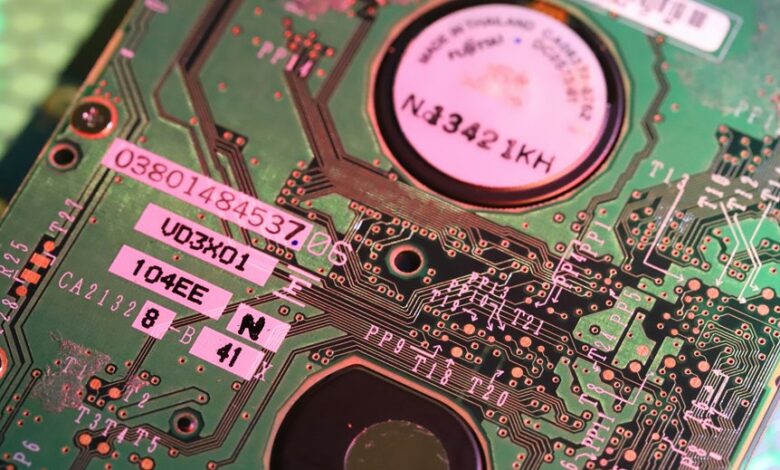
The system integrity check framed by Getramantila and related identifiers presents a disciplined lens on reliability and containment. It emphasizes modular isolation, cryptographic resilience, and independent verification to deter unintended interactions. The approach is methodical and defensive, prioritizing measurable metrics, governance, and continuous monitoring. Yet questions remain about practical enforcement and scalability across evolving components, leaving a cautious path forward that invites further examination of how these elements actually hold under pressure.
What Is System Integrity Really About?
System integrity concerns the reliability and correctness of a system as a whole, ensuring that components operate without unintended interactions and that protections against faults, tampering, and failures hold under expected conditions.
The analysis emphasizes cryptographic resilience and fault isolation, evaluating mechanisms, interfaces, and governance.
It remains defensive, objective, and precise, guiding stakeholders toward freedom through verifiable, robust, and composable integrity practices.


How Each Component Stays Reliable Under Pressure
To sustain reliability under pressure, each component must be evaluated for its fault containment, interface discipline, and resilience against adversarial conditions. System resilience emerges from disciplined interfaces, modular fault isolation, and proactive recovery.
Components demonstrate fault tolerance through redundancy and graceful degradation, while governance enforces monitoring, audits, and corrective action, ensuring uninterrupted operation under stress and sustaining freedom-oriented organizational objectives.
Modern Testing Methods to Validate Security and Performance
Modern testing methods to validate security and performance employ a structured, evidence-driven approach that emphasizes repeatability and verifiable outcomes. The methodology centers on controlled experiments, standardized metrics, and independent verification, ensuring reproducibility. Data governance frameworks guard data integrity, while risk assessment identifies critical exposure points. Findings are documented, defensible, and actionable, supporting freedom through transparent accountability and disciplined, measurable improvements across systems and processes.
Practical Steps to Maintain and Accelerate Integrity Over Time
Practical steps for sustaining and accelerating integrity over time build on the prior emphasis on repeatable, evidence-driven validation by translating those principles into ongoing governance, monitoring, and optimization activities.
The approach emphasizes disciplined system auditing and resilience benchmarking, with clear metrics, independent verification, and continuous corrective actions to prevent drift, ensuring robust operation without compromising freedom or adaptability.
Frequently Asked Questions
How Does Getramantila Run Interact With User Privacy Policies?
Getramantila Run adheres to privacy policy compliance by enforcing data access controls and documenting data flows; it minimizes exposure, enables user consent tracking, and presents verifiable audit trails, fostering analytical scrutiny while preserving user autonomy and freedom.
Can Integrity Checks Detect Hardware-Level Tampering Effectively?
Integrity checks can detect substantial hardware tampering, though stealth alterations may evade simple methods; the assessment remains analytical, methodical, and defensive, asserting that vigilance safeguards freedom, while recognizing limitations and the imperative to continuously strengthen defenses against covert hardware tampering.
What Are Cost Considerations for Large-Scale Integrity Audits?
Cost considerations for large scale integrity audits center on baseline establishment, tooling, personnel, and downtime costs; scalability challenges, data handling, and security risks are mitigated through phased deployment, vendor negotiation, and rigorous ROI analysis, maintaining principled independence.
Do Integrity Tools Require Ongoing Licensed Updates?
Integrity tools typically require ongoing licensed updates to maintain effectiveness; without them, vulnerabilities may persist. This process raises Privacy considerations, as frequent updates can impact data access, telemetry, and configuration control, potentially constraining user autonomy while preserving system integrity.
How Often Should Audits Be Performed for Evolving Threats?
Audits should be performed at a cadence aligned with threat evolution, updating frequency as risks shift. Regular, proactive auditing cadence strengthens resilience, while objective metrics track effectiveness; ongoing reassessment ensures defenses evolve with adversaries and maintain freedom.
Conclusion
System integrity emerges through disciplined, verifiable processes that isolate failure, validate cryptographic resilience, and enforce governance. The framework demonstrates how modular components endure stress via structured testing, independent verification, and continuous monitoring. Methodical metrics and corrective action ensure accountability and adaptability without sacrificing reliability. Is the pursuit of transparent, measurable safeguards not the true measure of confidence in complex systems? The conclusion emphasizes defense, precision, and sustained improvement.