A compact X-ray source can determine whether an inspection system fits its enclosure, delivers the required image quality, and operates reliably during demanding production schedules. Choosing a unit based on size or voltage alone can create integration problems later.
For equipment designers, comparing specifications, operating conditions, and support requirements is essential. Compact high-voltage X-ray source makers offer different configurations, so understanding the application first helps narrow options and avoid compromises in performance, safety, and maintenance.
1. Required Voltage And Material Penetration Capability
The material being examined determines the energy needed for effective penetration. Thin plastics and food products require different settings from dense metal components or thick assemblies.
- Assess material density: Identify the type, thickness, and composition of objects being inspected.
- Confirm output range: Match source voltage to the penetration required by the application.
- Allow operating margin: Avoid selecting a unit that must run continuously at its limit.
A suitable voltage range supports useful image contrast without unnecessary exposure or oversized equipment.


See also: Trisha Thehometrotters: Trisha From Thehometrotters: Lifestyle and Home Inspirations
2. Output Power And Expected Operating Duty Cycle
Voltage alone does not describe the source’s ability to deliver energy. Output power and duty cycle influence throughput, exposure time, and thermal demands.
- Estimate workload: Define operating hours, scan frequency, and production volume.
- Compare power ratings: Check continuous and peak output specifications where provided.
- Review duty limits: Confirm the source supports the intended cycle without excessive pauses.
Matching power to workload helps maintain consistent operation and prevents thermal stress.
3. Focal Spot Size And Required Image Resolution Needs
Image detail depends on focal spot size, detector capability, geometry, and exposure conditions. A smaller focal spot can improve sharpness, although the complete imaging arrangement matters.
- Define inspection detail: Identify the smallest defect or feature that must be detected.
- Compare focal spots: Review nominal values and available configurations.
- Evaluate the full system: Consider detector resolution, object distance, and magnification.
The best choice balances image quality with output needed for practical inspection speeds.
4. Physical Dimensions And Equipment System Integration
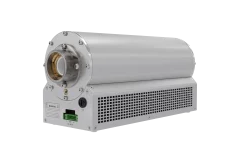
A compact source must fit the equipment layout without making installation or servicing difficult. Dimensions, weight, mounting, and cable routing affect the design.
- Measure available space: Include room for connectors, ventilation, and maintenance access.
- Check mounting options: Confirm orientation, brackets, and mechanical constraints.
- Review interfaces: Match control signals and electrical connections with the host system.
Early integration planning can reduce redesign work and simplify OEM assembly.
5. Output Stability And Control Of High Voltage Levels
Consistent output is important when repeatable imaging and measurement results are required. When comparing suppliers, evaluate compact high-voltage X-ray source makers on voltage stability, emission-current control, and operating-parameter regulation.
- Review stability data: Examine voltage ripple, regulation, and repeatability specifications.
- Check control features: Confirm available settings, feedback, and monitoring functions.
- Consider warm-up behaviour: Understand whether output changes during initial operation.
Stable performance supports comparable results across repeated scans and production conditions.
6. Cooling Design And Thermal Management Requirements
X-ray generation produces heat, and insufficient thermal management can affect component life and operating consistency. Cooling should match the source design and surrounding equipment.
- Identify cooling method: Determine whether air, oil, or liquid cooling is specified.
- Check installation needs: Allow space for airflow, heat exchangers, or cooling connections.
- Review temperature limits: Confirm operating and storage conditions for the site.
A suitable thermal design helps the source operate within specified limits.
7. Radiation Shielding And Essential Safety Provisions
Radiation safety must be considered during system design. Source shielding, enclosure design, interlocks, and applicable regulations all contribute to safe operation.
- Review shielding data: Request documented leakage or radiation measurements for the model.
- Plan system protection: Assess enclosure shielding, access controls, and interlock requirements.
- Confirm compliance needs: Check standards and regulatory obligations for the target market.
Qualified radiation-safety professionals should validate the installation and operating procedures.
8. Customisation Options And Application Compatibility
Different systems may require specific beam angles, focal spots, power levels, or control arrangements. A configurable source can accommodate these requirements without unnecessary machine changes.
- List essential options: Identify beam geometry, output, and interface requirements.
- Check available variants: Compare standard models with documented custom configurations.
- Discuss future changes: Consider whether product revisions may require different settings.
Clear specifications help determine whether a standard unit or tailored configuration is appropriate.
9. Serviceability And Long-Term Equipment Reliability
Purchase price is only one part of ownership. Maintenance access, component life, documentation, and service responsiveness influence equipment uptime.
- Ask about service support: Clarify repair processes, response times, and technical assistance.
- Review documentation: Request installation, operating, and maintenance information.
- Understand replacement needs: Check parts availability and service arrangements.
Reliable support can reduce disruption when equipment needs attention or requirements change.
10. Supplier Experience And Technical Collaboration
A supplier should understand the application rather than simply recommend a catalogue product. Engineering discussions can reveal integration issues before a design is finalised.
- Share application details: Provide inspection targets, system layout, and operating conditions.
- Request technical clarification: Ask for datasheets, interface details, and test information.
- Evaluate communication: Consider how clearly the supplier explains limitations and options.
Collaboration helps match source capabilities with actual system needs.
Conclusion: Selecting A Source For Lasting Performance
The right compact X-ray source is not necessarily the smallest or most powerful option. It meets imaging requirements, integrates safely, and supports the intended workload. Comparing cooling, shielding, controls, and service arrangements gives engineering teams a stronger basis for selection. High voltage power solutions should be assessed as part of the complete system because the generator, tube, controls, and thermal design influence performance.
For organisations developing inspection and imaging equipment, VJ X-Ray provides integrated X-ray sources and high-voltage generators for OEM applications. Their product range combines the X-ray tube, high-voltage supply, and control electronics in compact configurations, with options across output ranges and application requirements. They also offer customisation and technical support to help teams assess integration needs. Discussing intended use, operating conditions, and system constraints with their team can help identify a suitable configuration and establish a practical path from component selection to equipment integration.