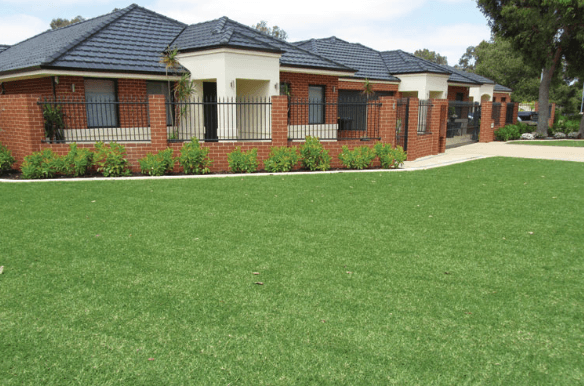
Buying turf for the first time can feel more complicated than it should, with variety names, soil conditions, and delivery logistics all needing to line up before a single roll is laid on the ground.
Start with an honest assessment of the site
Sun exposure, soil type, and drainage all influence which turf variety will actually thrive on a property, and skipping this assessment is one of the most common reasons a new Sydney lawn struggles.
Shaded areas under established trees, common in many older Sydney suburbs, need a shade-tolerant variety, while open, full-sun blocks can support a wider range of options including faster-growing couch varieties.
Understanding turf variety options
Sydney’s climate supports a wide range of turf varieties, each with different maintenance needs, drought tolerance, and appearance. Matching the variety to both the site and the household’s maintenance expectations matters considerably.

Getting proper advice from a local Sydney turf supply before deciding on a variety saves considerable frustration compared with choosing based on appearance alone.
Families with children or pets often benefit from a hard-wearing variety that recovers quickly from foot traffic, while a more ornamental variety might suit a property used mainly for entertaining rather than play.
Measuring the site accurately
Accurate measurements before ordering avoid the twin problems of running short mid-project or over-ordering and wasting money on turf that ends up unused and discarded.
Accounting for garden beds, pathways, and any structures being added at the same time, rather than measuring the block as a simple rectangle, gives a far more accurate total area figure.
Budgeting for the full project, not just turf
The cost of turf itself is only part of the total budget. Site preparation, delivery, and the first few months of establishment watering and fertilising all add to the real cost of a new lawn.
Getting a full, itemised quote before committing helps avoid the surprise of unexpected costs appearing partway through what seemed like a straightforward project at the outset.
Timing the purchase around the seasons
Turf can technically be laid year-round in Sydney’s mild climate, but spring and autumn generally offer the most favourable conditions for new turf to establish strong roots before facing summer heat or winter cold.
Ordering turf during particularly hot or dry stretches of summer requires extra vigilance with watering, since new turf is especially vulnerable to drying out before its root system has properly developed.
What to expect on delivery day
Fresh-cut turf should be laid within a day of delivery wherever possible, so having the site fully prepared beforehand avoids turf sitting in rolls and losing quality before it even goes down.
Checking the condition of the turf immediately upon delivery, and raising any concerns with the supplier straight away, is far easier to resolve than waiting until problems become obvious after laying.
Caring for new turf in the first few weeks
Daily watering is typically required for the first two weeks after laying, tapering off gradually as roots establish. Getting this wrong is one of the most common reasons new turf fails to thrive.
Restricting foot traffic on brand new turf, even though it can be tempting to walk on a freshly laid lawn straight away, gives the root system time to properly anchor before facing regular use.
Common mistakes first-time buyers make
Choosing a variety based purely on price, without considering suitability for the specific site, is one of the most frequent and costly mistakes made by first-time turf buyers in Sydney.
Staying informed matters in home projects just as much as in business, where consistent content and communication build trust over time, and the benefits of blogging apply just as well to keeping a household project on track.
Underestimating the ongoing maintenance commitment is another common oversight, since a beautiful new lawn still requires regular mowing, fertilising, and seasonal care to remain looking its best.
Getting professional guidance
Speaking with a local supplier before ordering, rather than relying purely on online research, gives Sydney homeowners access to advice specifically relevant to their suburb’s soil and climate conditions.
A good supplier will ask questions about the site and household before recommending a variety, rather than simply pointing to whatever is currently in highest stock or offering the best margin.
Bringing it all together
A little research and preparation before buying turf pays off considerably once the lawn is down, reducing the risk of costly patchy growth or an early replacement within the first year.
For Sydney homeowners planning a new lawn, taking the time to understand site conditions, variety options, and proper aftercare gives the best possible foundation for a lawn that genuinely thrives.
Ultimately, a new lawn is as much about the preparation and ongoing care as it is about the turf itself, and getting both right from the start makes all the difference.
Comparing suppliers before committing
Getting quotes from more than one supplier gives a useful sense of the going rate for a given variety and quantity, and reveals meaningful differences in service quality between local operators.
A supplier willing to answer detailed questions about soil suitability and aftercare, rather than simply processing an order, is usually a strong sign of genuine expertise worth paying a little more for.
Planning around other landscaping work
If turf is being laid alongside other landscaping work, such as garden bed edging or irrigation installation, coordinating the timing between tradespeople avoids the new lawn being damaged by later works.
Installing irrigation before laying turf, rather than after, is generally the more efficient sequence, since it avoids the need to lift or work around freshly laid turf during installation.
A clear project timeline, agreed with all tradespeople involved before work begins, helps prevent the kind of scheduling conflicts that can leave a new lawn exposed to unnecessary wear during construction.
With the right supplier, a clear plan, and a bit of patience during the establishment period, a new Sydney lawn can go from bare dirt to a genuinely thriving feature of the property within a single season.