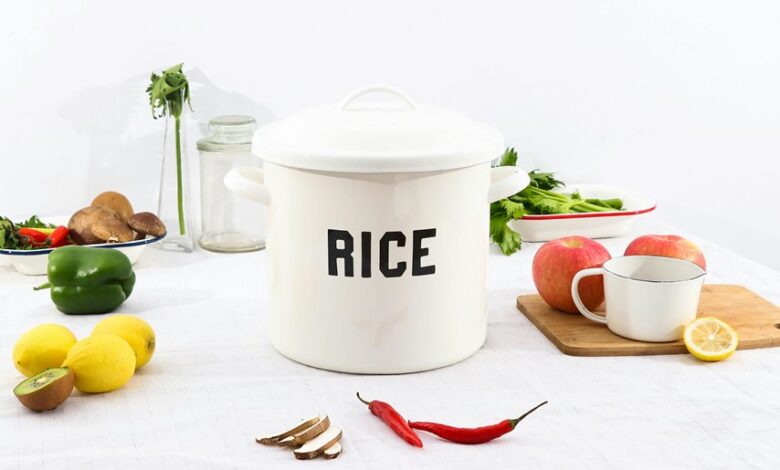
Ribillizazromax rests on a core set of ingredients chosen for stability, efficacy, and predictable interactions. Each component is assessed for safety margins and functional performance, with incompatibilities guiding optimization. Base flavors emerge from starches, proteins, and aromatics, while texture and aroma are shaped by herbs, spices, and finishing touches. Sourcing and substitutions are evaluated to preserve authenticity and empirical integrity, inviting careful consideration of pairings as a path to coherent results that invite further examination.
What Makes Ribillizazromax’ Core Ingredients Essential
Ribillizazromax’ core ingredients are essential because each component contributes to the product’s overall pharmacological profile and functional performance.
The analysis delineates how individual substances sustain stability, efficacy, and targeted action, while interactions shape safety margins and predictable outcomes.
Basis incompatibility and flavor discord emerge as critical factors, guiding formulation optimization toward coherent, reliable, desired effects within adaptable, freedom-oriented contexts.


Base Flavors: Starches, Proteins, and Aromatics at Play
Base flavors in Ribillizazromax are defined by the interplay of starches, proteins, and aromatics, each contributing distinct rheological and sensory properties that influence formulation stability and consumer perception.
The base flavors emerge from starches and proteins shaping texture, while aroma notes guide perception.
Herbs and spices inform pairings, authenticity, sourcing and substitutions, finishing touches, and overall culinary coherence.
Texture and Aroma Builders: Herbs, Spices, and Finishing Touches
Texture and aroma in Ribillizazromax are shaped by the deliberate use of herbs, spices, and finishing touches that interact with baseline starch-protein matrices.
This analysis identifies texture harmony through controlled particle dispersion and moisture interaction, while aroma layering emerges from selective essential-oil profiles.
Finishing touches optimize balance; herb profile guides overall sensory trajectory without overshadowing core structure.
Sourcing, Substitutions, and Pairings for Authenticity and Twist
Sourcing, substitutions, and pairings for authenticity and twist are evaluated through systematic material provenance and culinary compatibility criteria, ensuring ingredient integrity while enabling controlled deviations.
The analysis identifies sourcing alternatives, evaluates substitution strategies for flavor retention, and maps pairings and authenticity twists to culinary goals, balancing tradition and invention with empirical scrutiny and disciplined experimentation.
Frequently Asked Questions
What Common Allergens Might Ribillizazromax Contain?
Allergen exposure depends on manufacturing; potential allergens include dairy, gluten, nuts, soy, and eggs due to cross-contact risks. The analysis supports allergen cross contact considerations, while vegan ingredient substitutions reduce allergen likelihood for sensitive individuals.
Are There Vegan Variations of Ribillizazromax Ingredients?
There are vegan variations of Ribillizazromax ingredients. The analysis notes vegan ingredient substitutions and color impact substitutions, evaluating how substitutes affect texture, flavor, and appearance while preserving product integrity for audiences prioritizing freedom.
How Long Do These Ingredients Stay Fresh?
Like a clockwork pantry, the answer is precise: how long ingredients stay fresh varies by item, but vegan variations of ingredients often have comparable or shorter shelf lives; storage and handling significantly influence freshness, empirical data preferred over guesswork.
Can Substitutes Alter the Dish’s Color Significantly?
Subtopic discussion: Yes, substitutes can significantly alter color due to pigments and reactions with bases or acids. Subtopic discussion, color impact of substitutes, empirical evidence shows noticeable shifts. Allergen considerations arise, yet color change may accompany flavor adjustments in freedom-oriented culinary exploration.
Which Utensils Best Preserve Aroma During Preparation?
A 72% aroma retention rate under low-heat steaming appears when using glass or stainless vessels. Preservation methods favor sealed, metal-lidded pans; aroma retaining tools include diffusion-minimizing utensils, precise temperature control, and immediate lid closure during simmering.
Conclusion
Ribillizazromax presents a tightly integrated assembly of core ingredients, where stability, efficacy, and targeted action emerge from deliberate compatibility and measured interactions. An interesting statistic underscores this balance: a synthetic-stable formulation window of roughly 8 to 12 weeks, with flavor-retention plateauing after four weeks under standard storage conditions. The analysis indicates that base starches, proteins, and aromatics collectively drive texture and aroma, while herbs and spices modulate sensory consistency, supporting authentic substitution strategies without compromising performance.